An autonomous underwater robotic visual inspection system for Cyprus' offshore
aquaculture industry
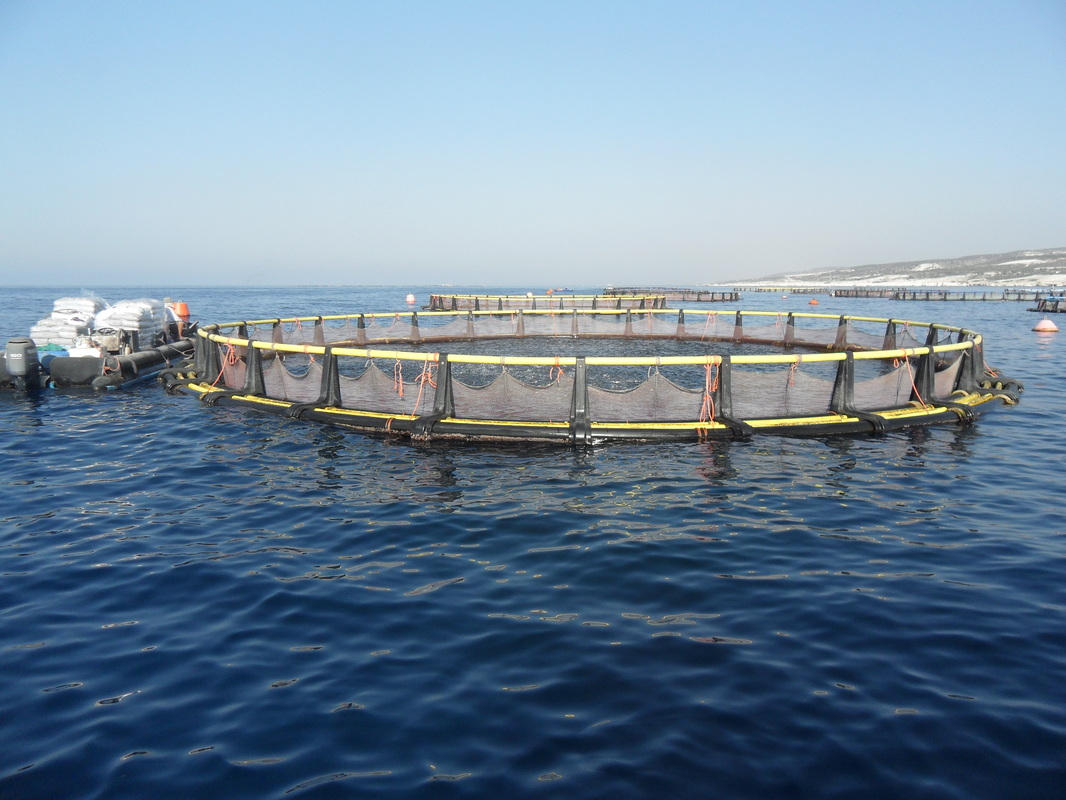
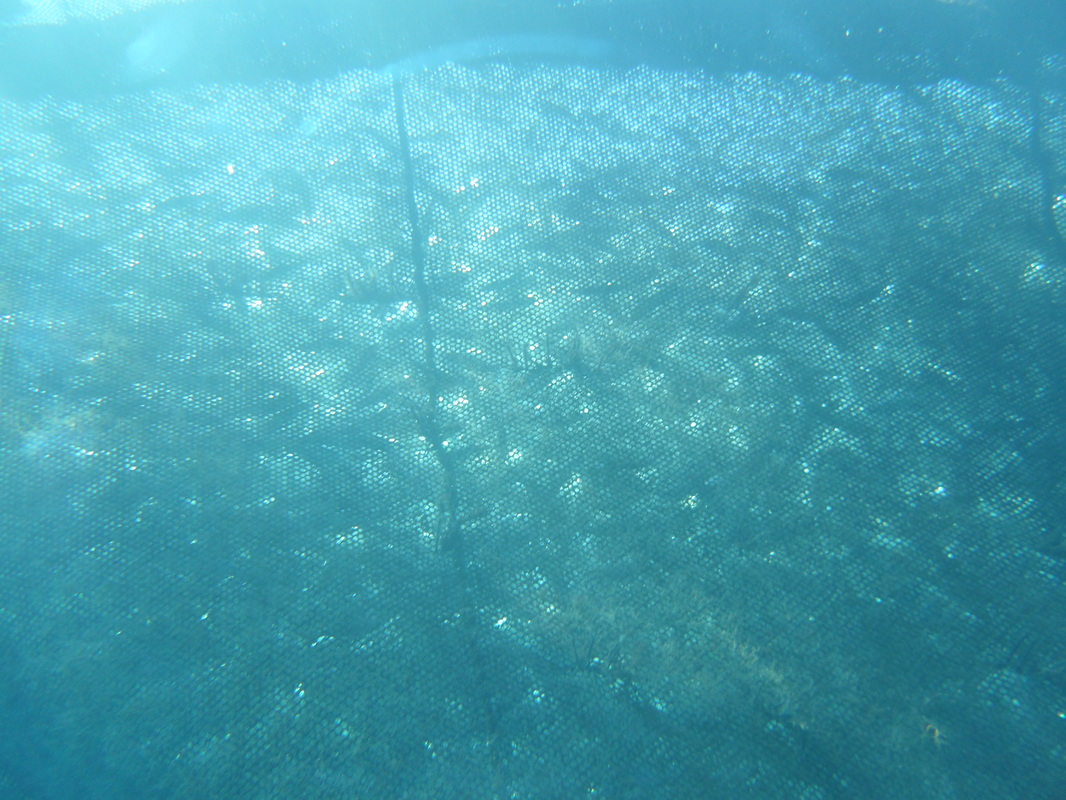
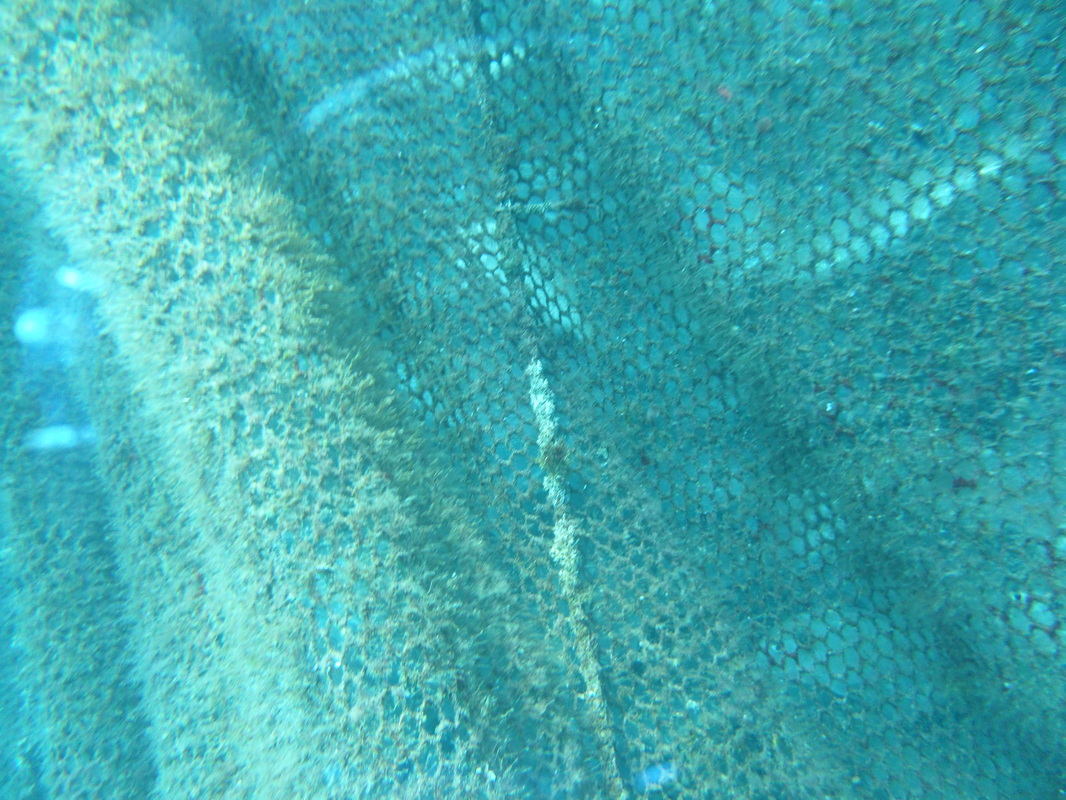
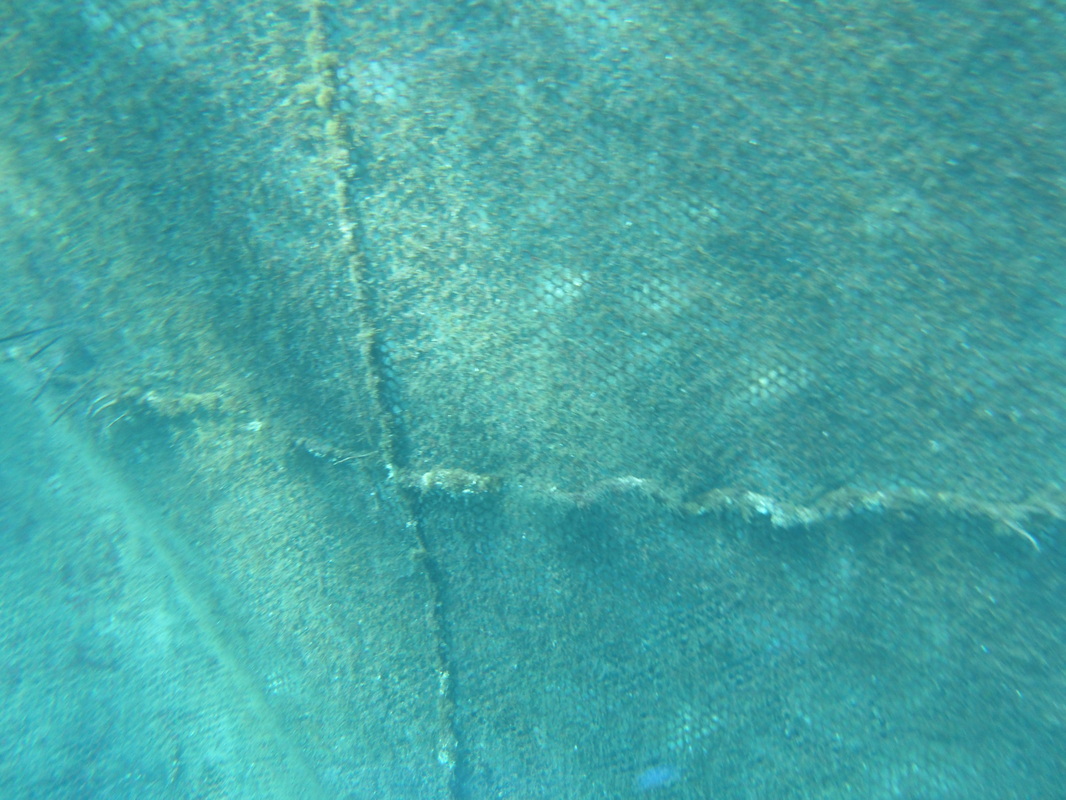
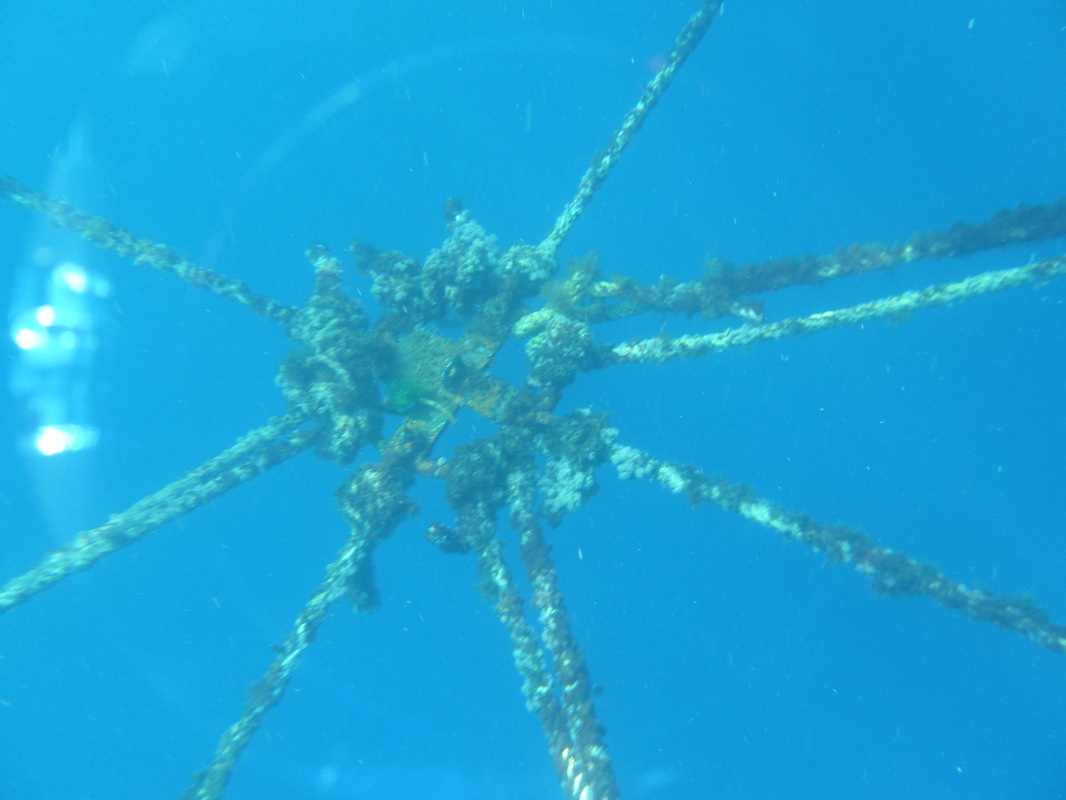
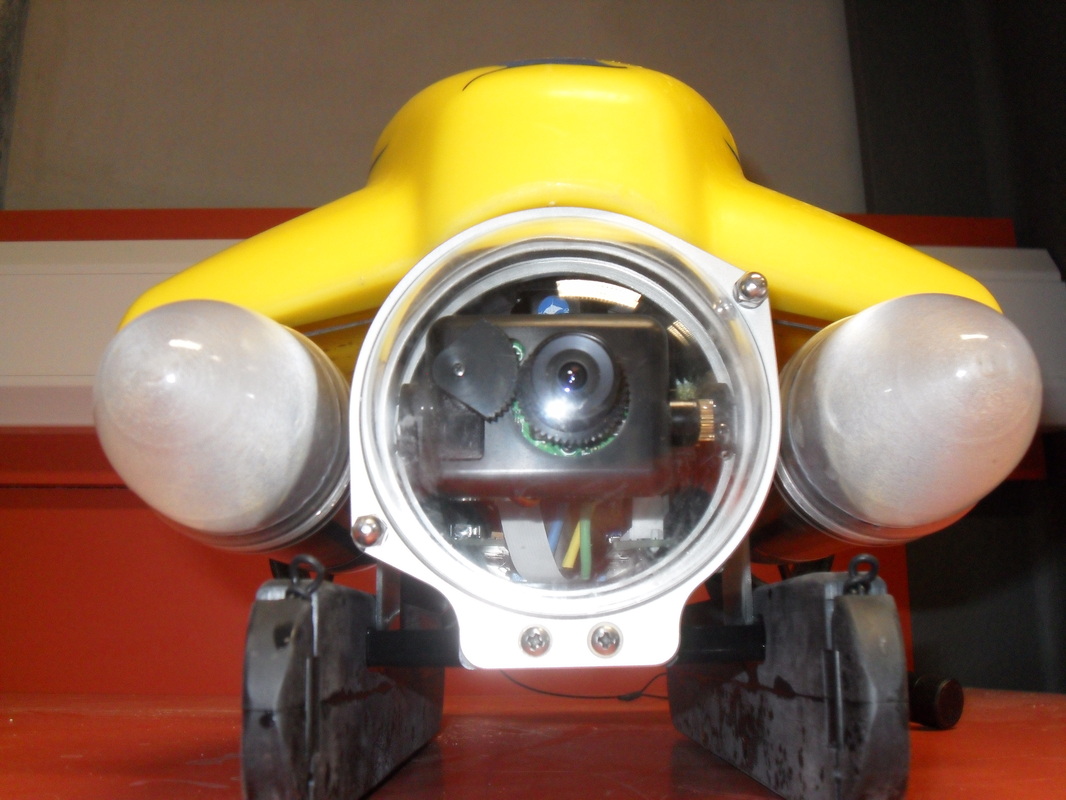
The aim of this project is to develop a system that will automate the tasks of visual inspection of fish farm nets and fish farm moorings by using an underwater robotic vehicle. Our approach is to use a commercially available underwater robotic platform and develop a suite of underwater navigation, coverage and tracking algorithms that will enable this platform to autonomously create video records of fish-farm nets and moorings. The main implementation activities that this system is aimed at are autonomous fish-farm net and mooring visual inspections.
The anticipated results of this project are:
system, as follows:
The official site of the project.
For a recent press release in Greek, please click here.
In collaborations with Dr. Savvas Loizouhttp://www.cut.ac.cy/mem/research/labs/rcds
The anticipated results of this project are:
- An autonomous system that will be capable of creating video footage of a fish-farm net and moorings.
- The system will be able to provide correspondence of the video footage with the location on the target. It will be in principle capable to pin-point the location of the fault.
- The user will be able to define both a-priori and during the inspection, the specifications of the video recording, like range from the target and velocity of the target in the image space.
- Capabilities to suspend the inspection if a fault is found, and provide the user the option fo a semiautonomous fault inspection.
system, as follows:
- Avoid the health and human life risks associated with having humans performing a lengthy underwater operation.
- Create video feeds with guaranteed specifications (accuracy, video quality)
- Decrease the cost of underwater inspection tasks
- Increase the efficiency of the inspection task (guaranteed completeness of coverage)
- Increase the frequency of inspections (currently 1 every six months with human divers) and perform inspections in difficult sea conditions when human diving is not an option
- Enhance Cyprus’ underwater robotics research potential
The official site of the project.
For a recent press release in Greek, please click here.
In collaborations with Dr. Savvas Loizouhttp://www.cut.ac.cy/mem/research/labs/rcds